
Slush 2026: What Corporate Innovation Leaders Should Take Back from Helsinki
Slush is famous for being the world’s most founder and investor-centric arena. But for corporate innovation leaders, R&D directors, and transformation executives, stepping into Messukeskus brings a very specific paradox: finding startups is not the bottleneck anymore, knowing which ones are worth your team’s time is.
With meeting calendars filling up weeks before the doors even opened, serendipity wasn’t a strategy. If you arrived without targeted targets, you spent 48 hours running between stages hoping chance encounters would deliver strategic value.
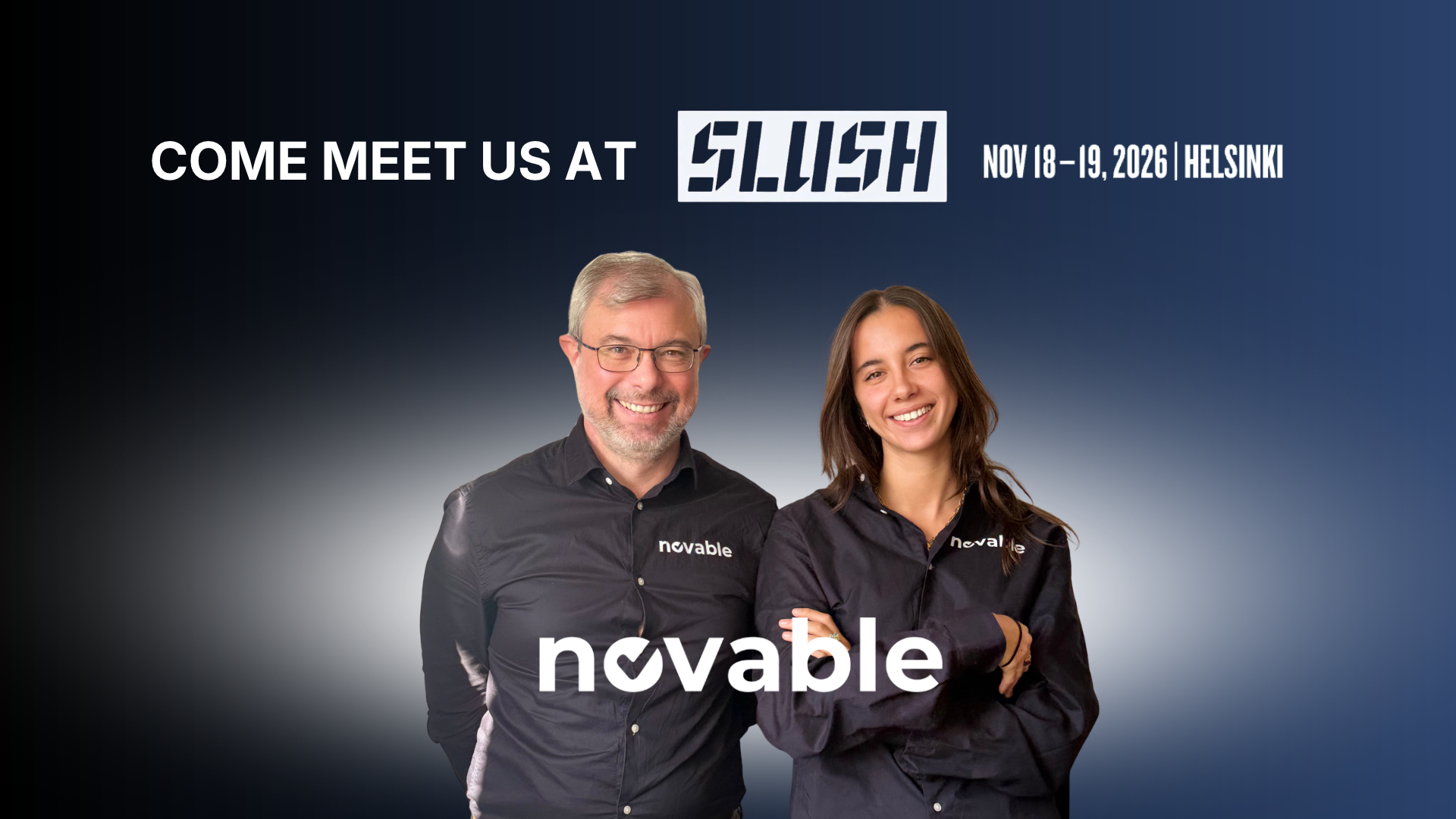
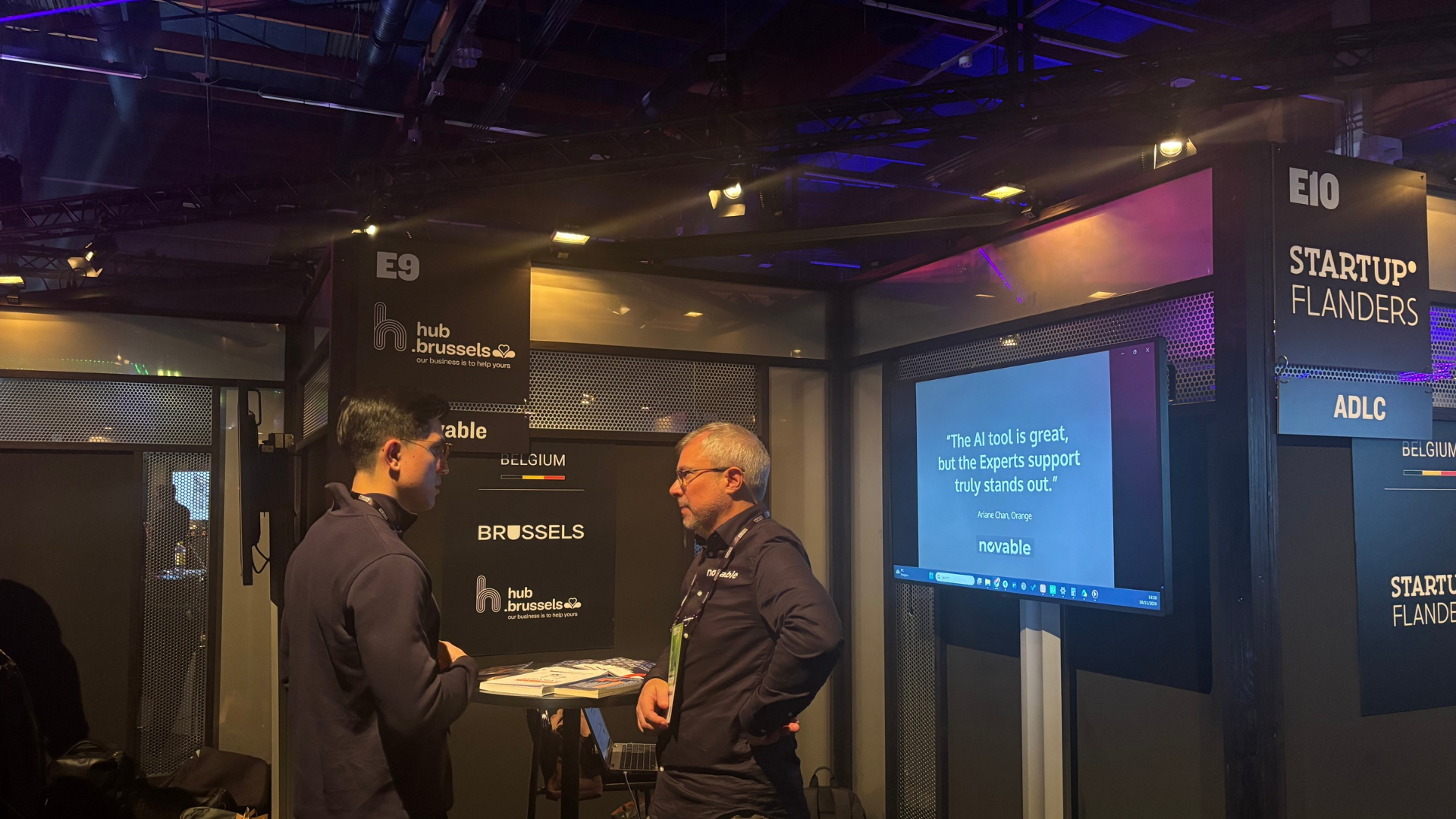
We spent two days at Booth E9 with our CEO Olivier Beaujean and Innovation Expert Emma Jepsen, speaking with corporate innovation executives across Europe, Japan, and the Americas. Here is what we took away from Helsinki and what innovation leaders should put into practice right now.
1. Curation beats volume, but preparation beats serendipity
At Slush, 76% of attendees are either startup founders or investors. That high density makes it exhilarating, but it also creates immense noise.
The corporate leaders who left Helsinki with concrete dealflow weren't wandering the expo hall hoping to spot a breakthrough. They had already mapped the attending startups against their strategic corporate briefs before boarding their flights.
This was the exact problem we engineered EventScout to solve: applying DeepMatching™ and analyst review to the conference roster so teams know exactly which meetings to book before calendars vanish. At an event where meetings happen every 20 minutes across 400+ tables, pre-event qualification is the difference between ROI and exhaustion.
2. The shift from "Interesting Pitch" to Enterprise Readiness (ERL)
A common thread across our discussions with corporate visitors at Booth E9 was frustration with "pilot purgatory". Startups at Slush are sharper, faster, and better funded than ever, attending startups spanned 50+ sectors, from deep tech and AI to energy and industrial tech. But large enterprises don't just need cool technology; they need startups that can actually navigate enterprise compliance, security, and integration.
This is why measuring the Enterprise Readiness Level (ERL™) has become critical. When corporate teams assess whether a venture is ready to scale within their architecture, conversations shift from speculative hype to actionable, risk-mitigated collaboration.
3. Startups are vetting their enterprise partners just as hard
Just as we observed earlier this year at VivaTech, the power dynamic in open innovation has fundamentally matured. The strongest startups, those with verified IP, revenue, and product-market fit are actively turning down generic corporate partnership chats that lack clear decision authority.
If your organization cannot define its intake criteria, provide rapid feedback, and deliver real pilot roadmaps, top founders will allocate their time to your competitors. Speed and credibility are your real corporate currency.
What Novable was doing at Slush 2026
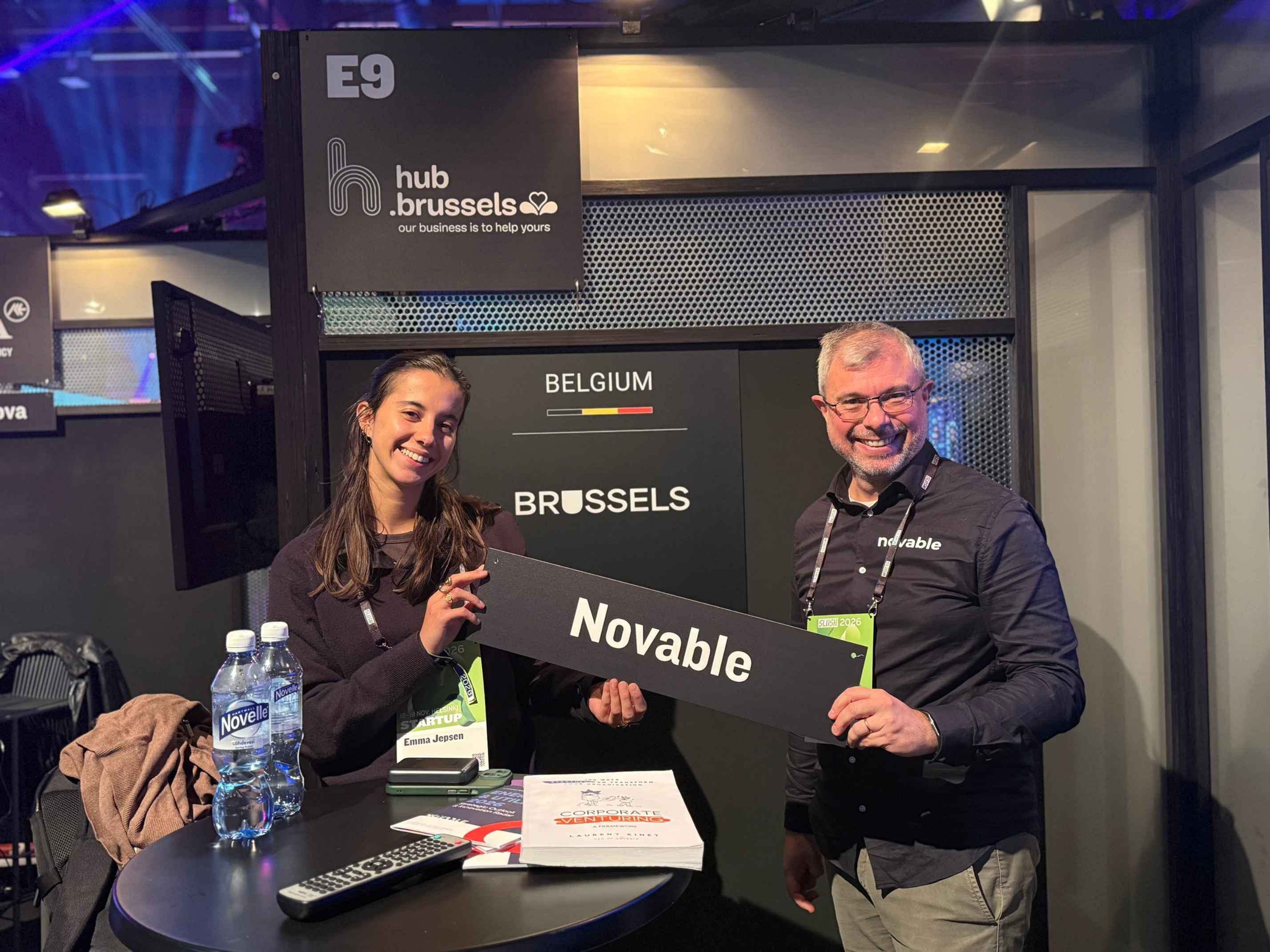
We were at Booth E9 to stress-test corporate innovation hypotheses in real time. We sat down with innovation leads from industries ranging from cosmetics and luxury to heavy industrial tech, testing how AI-driven discovery paired with human analyst validation accelerates corporate dealflow.
Our biggest takeaway from Helsinki? Efficiency in innovation is no longer optional. The teams winning the next cycle aren’t spending months manually combing databases or attending events blindly. They combine automated market intelligence, targeted event scouting, and validated enterprise scoring to act while the momentum is fresh.
Turning Slush follow-ups into pipeline
Leaving Helsinki with a batch of scanned badges and business cards isn't a strategy, it's an administrative backlog. The real work begins now:
- Validating the maturity and enterprise fit of companies met on-site.
- Uncovering the high-potential gems you walked past on the show floor.
- Benchmarking your conference discoveries against the broader global market.
If you want to turn your Slush conversations into structured, decision-ready innovation pilots, talk to a Novable expert today.